
Regular roof inspections catch small problems before they become expensive repairs. For coastal South Carolina homeowners, routine inspections are one of the smartest investments you can make in long-term home protection.
Your roof works around the clock to protect everything underneath it. Wind, rain, salt air, and intense summer heat take a toll year after year. Without regular inspections, minor issues like a loose shingle or small crack can quietly develop into water damage, structural problems, and costly repairs that could have been avoided. The benefits of regular roof inspections go beyond just fixing what is broken. They help you stay ahead of problems before they escalate.
What a Professional Roof Inspection Actually Covers
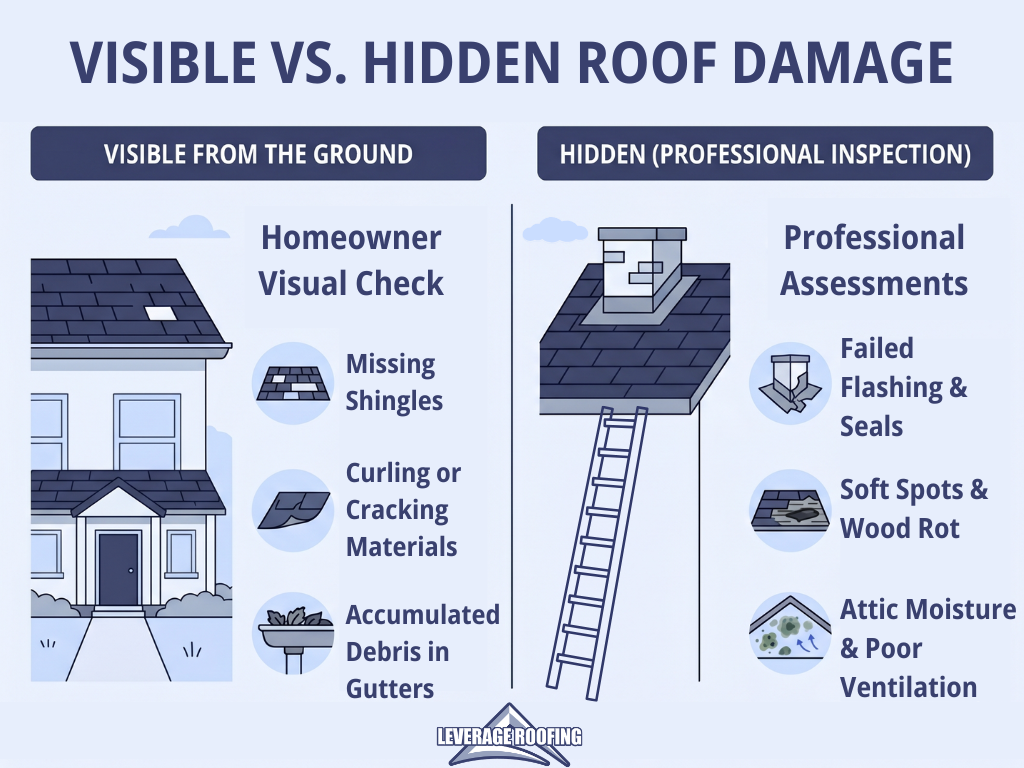
Most homeowners assume their roof is fine if it is not leaking. The reality is that significant damage can exist long before water shows up on your ceiling. A professional roof inspection looks at areas that are not visible from the ground or from a quick walk around the yard.
What Inspectors Check
- Shingles and surface materials: Inspectors look for missing shingles, curling, cracking, and granule loss that signals wear.
- Flashing and seals: Flashing around chimneys, vents, and skylights is a common source of leaks. Inspectors check for separation or corrosion.
- Gutters and drainage systems: Clogged or damaged gutters cause water to back up under roofing materials, leading to rot and water damage.
- Attic and ventilation: Poor attic ventilation accelerates material breakdown and can lead to mold growth inside your home.
- Structural components: Inspectors check for soft spots, sagging, or signs of structural damage that may not be obvious from the exterior.
A comprehensive roof inspection gives you a clear picture of what needs attention now versus what can wait.
The Real Benefits of Regular Roof Inspections
Routine inspections offer more than peace of mind. They deliver measurable financial and practical benefits over the life of your roof.
Early Detection Saves Money
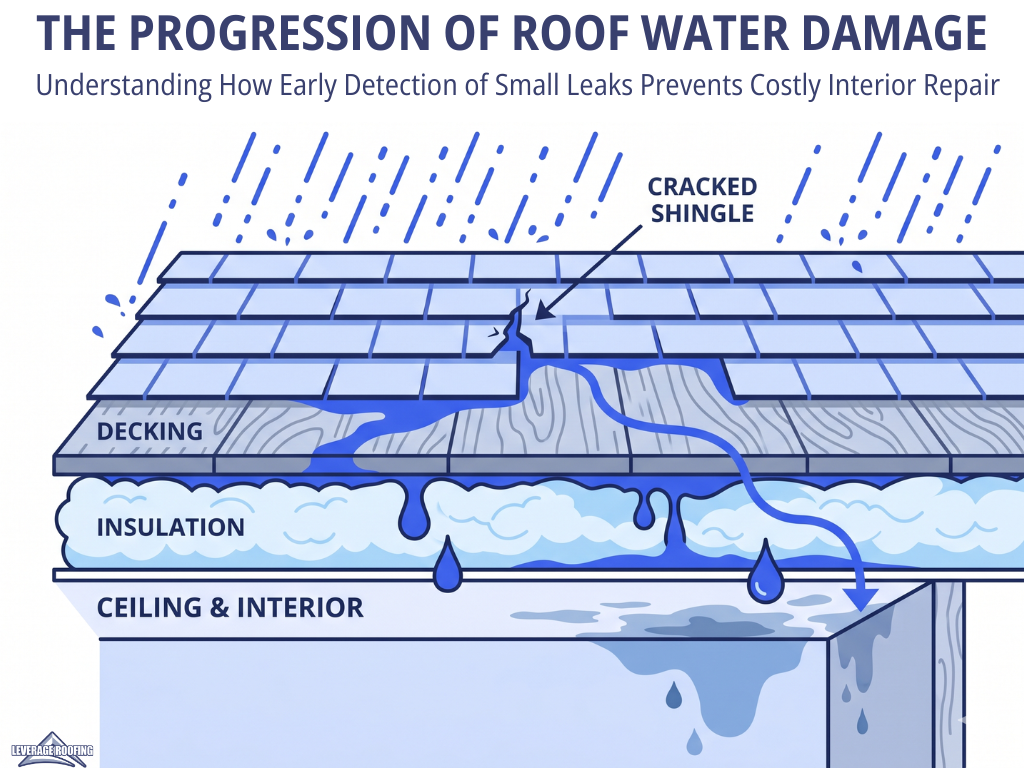
The biggest advantage of routine roof inspections is early detection. A minor issue caught today, such as a missing shingle, a small area of soft decking, or compromised flashing, costs far less to fix than the extensive damage it can become if left alone. Water damage spreads quickly. What starts as a small leak can lead to rotted wood, damaged insulation, and mold growth throughout your attic or walls.
Addressing issues early through proactive maintenance consistently costs less in the long run than waiting for problems to force your hand.
Extended Roof Life
A well-maintained roof lasts longer. Regular checks allow you to address minor repairs before they stress the surrounding materials. Replacing a few shingles is far different from replacing an entire section of decking. Staying on top of routine maintenance adds years to your roof’s lifespan, which delays the significant expense of a full replacement.
Better Energy Efficiency
A damaged roof does not just let in water. Gaps, poor ventilation, and compromised insulation allow conditioned air to escape, driving up your energy costs. Keeping your roof in good condition through regular inspections helps maintain your home’s energy efficiency and can lower monthly utility bills over time.
Stronger Insurance and Resale Position
Insurance companies take roof condition seriously. An older roof with documented maintenance history is viewed more favorably than one with no record of care. Regular inspections also help when filing storm damage claims. You will have a baseline record of your roof’s condition that supports your case.
For homeowners thinking about selling, a well-documented, well-maintained roof is an asset. Potential buyers and their inspectors will look closely at roof condition, and documented inspections give you a stronger position during negotiations.
Common Roof Problems Found During Inspections
Many roof problems develop gradually and show no obvious signs until they have already caused damage. Regular inspections give a trained eye the chance to spot these issues early, when they are still minor problems rather than major repairs.
Shingle Deterioration
Cracked, curling, or missing shingles are among the most frequent findings during a roof inspection. A loose shingle or small patch of granule loss may seem minor, but exposed decking underneath is vulnerable to water infiltration. Catching shingle deterioration early allows for targeted repairs before water damage has a chance to develop.
Flashing Failures
Flashing is the metal material that seals transitions around chimneys, vents, skylights, and roof valleys. It is also one of the most common sources of leaks. Flashing can pull away from surfaces, corrode, or crack over time. These failures are not visible from the ground and are often missed entirely until a leak appears indoors.
Improper Drainage and Gutter Issues
Drainage systems that are clogged, sagging, or pulling away from the roofline cause water to pool and back up under roofing materials. Over time this leads to rot, mold growth, and structural damage along the roof edge and fascia. Inspectors check gutters and downspouts as part of a complete assessment.
Ventilation and Moisture Problems
Poor attic ventilation traps heat and moisture, which accelerates the breakdown of roofing materials from the inside out. Inspectors look for signs of condensation, water damage and mold, or insulation damage in the attic that point to a ventilation problem. Left unaddressed, these conditions shorten roof life and can affect indoor air quality.
How Often Should You Schedule Inspections?
Most roofing professionals recommend scheduling inspections once or twice per year. For coastal South Carolina homeowners, twice annually makes sense given the region’s exposure to severe weather events, salt air, and hurricane season.
When to Schedule Outside of Routine Checks
Beyond routine inspections, certain events should prompt you to call sooner:
- After a major storm or hurricane: High winds and debris can cause damage that is not visible without a closer look.
- After hail: Hail damage to asphalt shingles often is not obvious from the ground but accelerates wear significantly.
- If your roof is over 15 years old: An older roof warrants more frequent inspections as materials approach the end of their lifespan.
- Before listing your home: A pre-sale inspection helps you address potential problems before potential buyers discover them.
- If you notice anything unusual: Water stains on ceilings, granules in gutters, or visible sagging all warrant a professional roof inspection without waiting for your next scheduled visit.
Leverage Roofing: Your Partner in Roof Protection
Regular roof inspections are a proactive approach to protecting one of your home’s most important systems. For homeowners across the Grand Strand and coastal South Carolina, the combination of harsh weather, salt air, and humid conditions makes routine maintenance more important, not less.
Leverage Roofing is a family-owned company based in Murrells Inlet with over 30 years of experience in roofing and exterior services. The team offers free inspections, honest assessments, and full support for homeowners navigating storm damage and insurance claims.
Whether you are due for a routine inspection, concerned about recent storm activity, or simply want to know where your roof stands, Leverage Roofing is ready to help. Schedule your free inspection today and get the answers you need to protect your home for the long run.
How often should I get a roof inspection?
Most roofing professionals recommend at least one professional roof inspection per year. Homeowners in coastal areas prone to severe weather events, like South Carolina, benefit from scheduling inspections twice a year, plus any time after a significant storm.
What are the main benefits of regular roof inspections?
Regular roof inspections allow for early detection of minor problems before they turn into expensive repairs. They extend your roof’s lifespan, protect your home from water damage, support insurance claims, and help maintain your home’s energy efficiency.
Can a roof inspection help with my homeowner’s insurance claim?
Yes. A documented inspection history gives your insurance company a clear baseline of your roof’s condition before a storm. This makes it easier to identify new damage and supports a faster, more accurate claim process.
How long does a professional roof inspection take?
Most residential roof inspections take between 45 minutes and a couple of hours, depending on the size and complexity of the home. A thorough inspection covers the roof surface, flashing, gutters, attic, and ventilation.
What happens if minor problems are found during an inspection?
Minor issues found during a routine inspection, such as a loose shingle or small area of damaged flashing, can usually be addressed with minor repairs at relatively low cost. Catching these problems early is far less expensive than waiting for them to develop into water damage or structural issues.