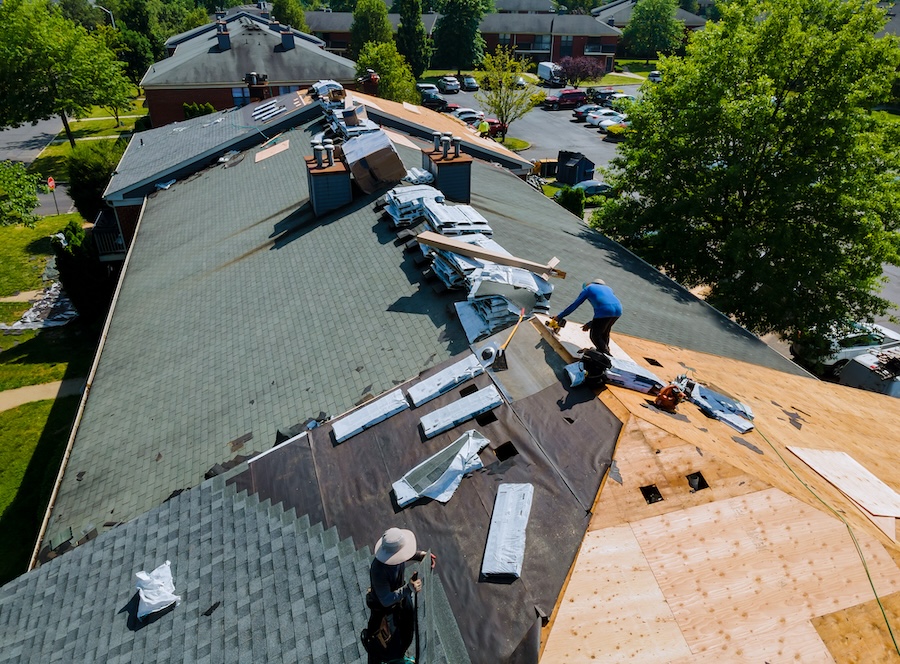
For most coastal South Carolina homes, a modern roofing system is the better fit. Modern materials generally offer better energy efficiency, stronger weather resistance, and less maintenance. Traditional roofing materials can provide a classic look, but they often require more upkeep and may not perform as well in the Carolina climate.
What Is the Difference Between Traditional and Modern Roof Materials?
Traditional roof materials, like clay and concrete tile, have been used for generations and are known for their natural look. However, they can be heavier and may require additional structural support.
Modern roof materials rely on newer technology to improve lifespan, weather resistance, and energy efficiency.
For North and South Carolina homeowners, the best option depends on your home’s style, structure, and the level of protection you want from your roof.
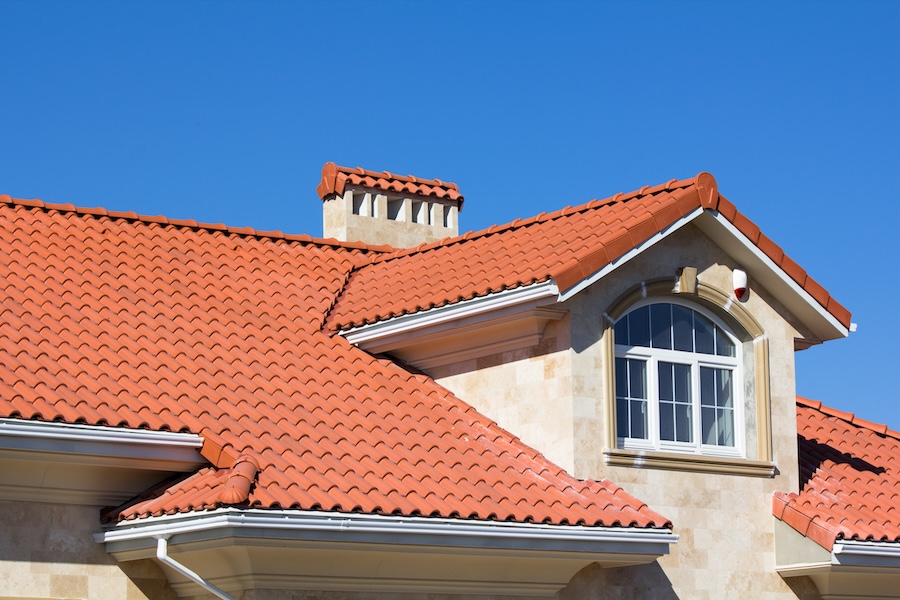
Which Materials Count as a Traditional Roof?
Most homeowners picture one of three materials when they think of a traditional roof.
- Clay tile: Clay tile gives a home a classic Spanish or Mediterranean look. It handles heat well and resists rot and insects. Its heavy weight means the roof structure must be strong enough to carry it.
- Wood shakes: Wood shakes add rustic charm to cottages and craftsman homes. In humid areas like North and South Carolina, they need regular treatment to prevent rot, mold, and insect damage.
- 3-tab asphalt shingles: These flat, single-layer shingles were the standard for decades. They cost less upfront but wear out faster than newer shingle designs.
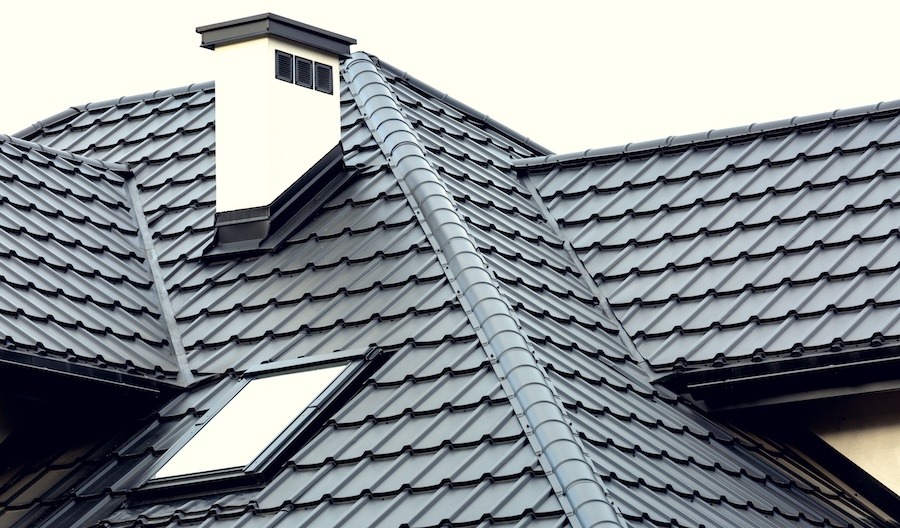
Which Materials Count as a Modern Roofing System?
A modern roofing system is built for a longer lifespan and low maintenance. These systems combine durable materials with better weather resistance than older options, which means fewer repairs and less frequent replacement over the years.
- Metal roofing: A metal roof is made of metal panels that fit together, with raised edges that help water drain away quickly. It holds up well in strong winds and can help reflect heat away from your home.
- Architectural shingles: These thicker, multi-layer asphalt shingles create a more dimensional look. They hold up better in wind than 3-tab styles.
- Cool roofing: Cool roof materials use light colors or reflective coatings to keep the roof surface cooler and improve energy efficiency.
- EPDM and TPO membranes: These membranes work best on flat roofs or low-slope roofs. EPDM is a type of rubber, and TPO is a plastic sheet that reflects sunlight. Both cover the roof deck and keep water out.
Comparing a Traditional Roof and a Modern Roof
For most coastal homeowners, a modern roofing system is a practical choice because it lasts longer and requires less maintenance. Over time, this can provide more long-term value by reducing repair and replacement needs. A traditional roof is the better pick if you care most about a classic roof style.
Which Roof Holds Up Better Over Time?
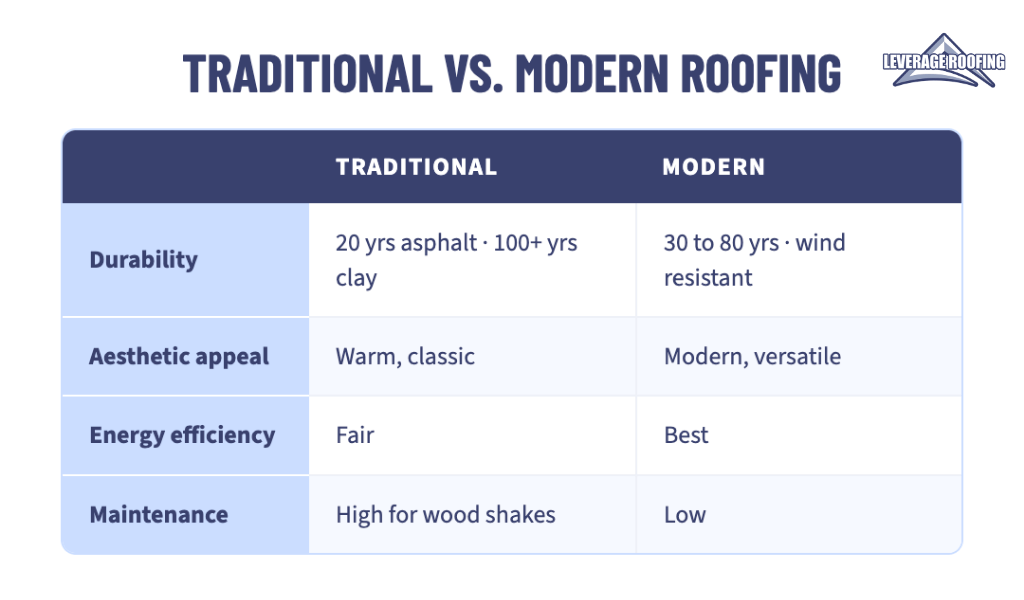
Modern roofing materials generally hold up better over time. Metal roofing lasts 40 to 80 years and architectural shingles reach about 30 years. Both outlast 3-tab asphalt shingles and wood shakes, which wear out faster in the hot, humid Carolina climate. Metal roofing carries a higher upfront cost than asphalt, but a roof that lasts two to four times as long delivers stronger long-term value.
Traditional materials trail in most cases, with one notable exception. A clay tile roof can last a century or more, though its heavy weight limits which roof decks can support it on a typical site-built home.
| Material | Category | Typical Lifespan |
|---|---|---|
| 3-tab asphalt shingles | Traditional | About 20 years |
| Clay tile | Traditional | 100 years or more |
| Architectural shingles | Modern | About 30 years |
| Metal roofing | Modern | 40 to 80 years |
Which Roof Style Looks Better?
The better-looking roof depends on your home’s architecture, so neither category wins outright. Traditional materials like clay tile and wood shakes give a home a warm, classic character that suits Spanish, cottage, and rustic designs.
If you want a contemporary or coastal look, modern materials give you the most options. Metal panels come in plenty of colors and finishes, a standing seam roof looks great on modern farmhouses and beach homes, and architectural shingles work with nearly any style.
Which Roof Offers Better Energy Efficiency?
Modern roofing materials lead clearly on energy efficiency. ENERGY STAR research shows that a clean white roof reflecting 80% of sunlight stays about 50°F cooler than a gray roof reflecting 20%. Standing seam metal panels and white TPO membranes on flat roofs work the same way.
Traditional materials tend to fall behind here. Clay tile handles heat pretty well, but dark 3-tab asphalt shingles soak up more of the sun’s heat and can increase your cooling bills.
Which Roof Needs Less Maintenance?
Modern roofing materials need less maintenance overall. Metal roofing and architectural shingles are low-maintenance choices for a new roof, and EPDM and TPO membranes also require little upkeep on low-slope roofs.
Traditional materials require more attention, with clay tile as the exception. Wood shakes need the most care, including regular cleaning and treatment to fight moss, rot, and insects. A clay tile roof needs little upkeep aside from replacing cracked or slipped tiles quickly.
Leverage Roofing, Your Local Partner for Traditional and Modern Roof Materials
A traditional roof of clay tile or wood shakes offers timeless character. Modern options like metal roofing and architectural shingles give most coastal homes lower maintenance and better storm performance. A metal roof also adds long life, strong energy efficiency, and long-term value.
Leverage Roofing is a family-owned company in Murrells Inlet with more than 30 years of construction experience. We offer financing, work directly with your insurance company on storm damage claims.
Call us or schedule your free roof inspection today to find the right roofing system for your new roof.
Frequently Asked Questions About Traditional and Modern Roofs
Is a metal roof better than asphalt shingles? +
A metal roof lasts longer and needs less maintenance than asphalt shingles. InterNACHI estimates metal roofing lasts 40 to 80 years, compared with about 30 years for architectural shingles. Asphalt shingles cost less upfront and come in more colors and styles.
What is the longest-lasting roof material? +
Clay tile and slate are the longest-lasting roof materials. InterNACHI estimates clay tile lasts 100 years or more and slate lasts 60 to 150 years. Both materials are heavy and need a strong roof structure.
Are traditional roofs more expensive than modern roofs? +
Cost depends on the specific material. Clay tile carries a higher initial cost than most modern options, while 3-tab asphalt shingles are among the least expensive. A metal roof has a higher initial cost than asphalt shingles and often provides better long-term value over its lifespan.
What roof is best for hurricanes in South Carolina? +
A standing seam metal roof and wind-rated architectural shingles are strong choices for hurricane-prone areas of South Carolina. Both resist wind uplift when installed to manufacturer specifications. Proper fastening and a solid roof deck matter as much as the material itself.
Do modern roofs save energy? +
Reflective modern roofs improve energy efficiency and lower cooling costs. ENERGY STAR cites research showing a white roof that reflects 80% of sunlight stays about 50°F cooler than a gray roof that reflects 20%. A cooler roof sends less heat into the attic and living space.