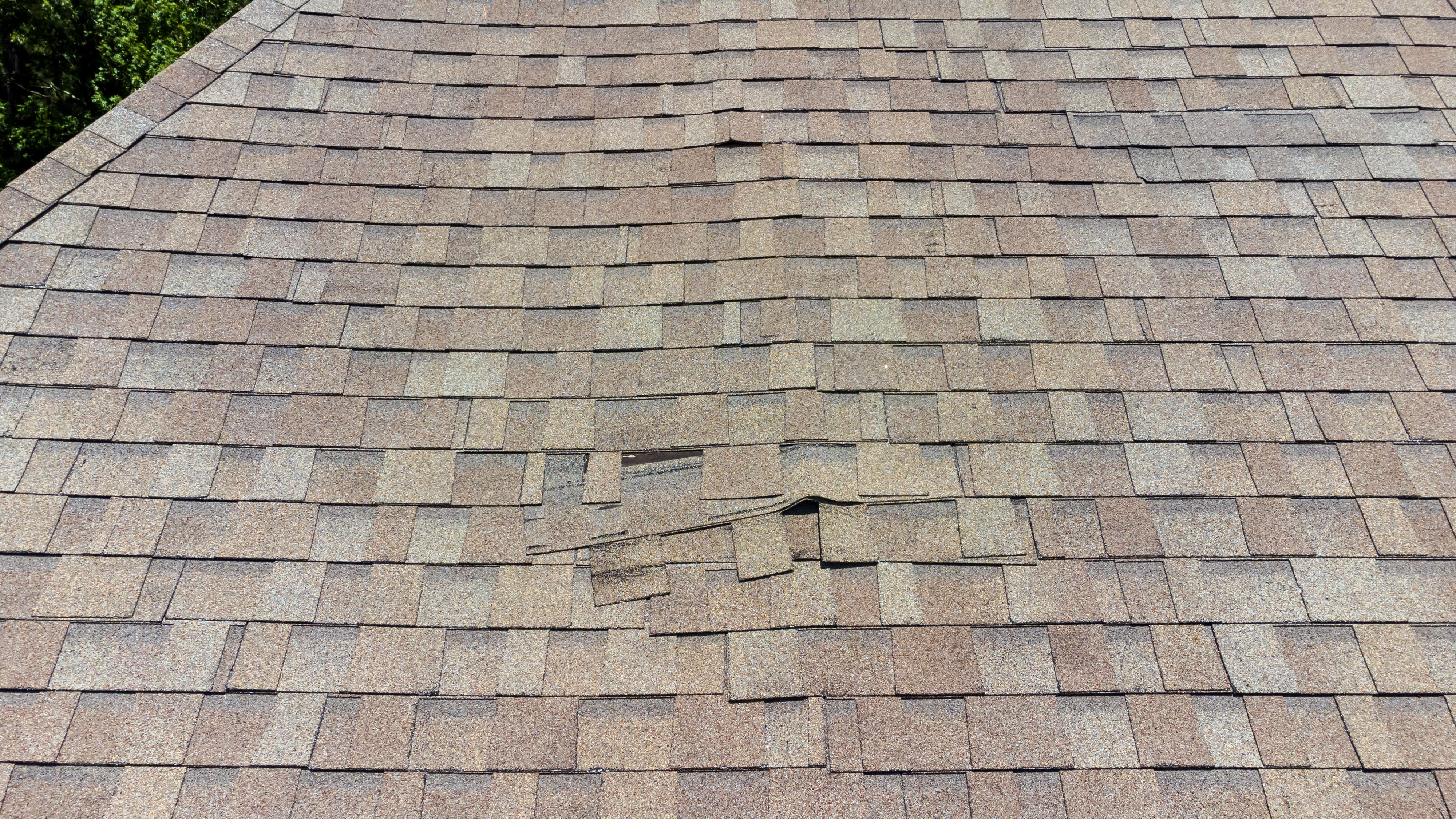
A roof leak can start small but grow into a major problem fast. Water stains on your ceiling, dripping sounds during storms, or dark spots in your attic all signal trouble. Understanding roof leak repair costs helps you budget properly and avoid further damage to your home.
This guide breaks down what you’ll pay for leak repair based on the severity of damage, your roofing material, and the labor involved. We’ll also show you when a simple fix works and when you need more extensive repairs.
What Affects Roof Leak Repair Costs
Several factors determine how much you’ll spend fixing a leaking roof:
Size and Severity of the Leak
A minor leak from a few missing shingles costs far less than extensive damage affecting multiple roof sections. Small repairs might run a few hundred dollars, while major repairs can reach several thousand.
Minor repairs include:
- Replacing a handful of damaged or missing shingles
- Sealing small cracks around roof penetrations
- Fixing nail pops that let water seep through
- Resealing flashing around chimneys or vents
Major repairs involve:
- Water damage to roof decking or structural supports
- Multiple leak points across the roof surface
- Mold growth in attic spaces requiring remediation
- Damage to insulation from prolonged water exposure
Your Roofing Material
Different roofing materials have different repair costs. Asphalt shingles are typically the most affordable to repair. Metal roofs need specialized skills but often last longer between repairs. Slate roofs and tile require expert handling and premium materials.
Average repair costs by material:
- Asphalt shingles: $350 to $1,500 for typical repairs
- Metal roofing: $500 to $2,000 depending on panel replacement needs
- Flat roofs: $400 to $2,500 for membrane repairs or resealing
- Tile or slate: $1,000 to $3,000 due to specialized labor and materials
Labor Costs in Your Area
Labor rates vary by location. Urban areas often have higher costs than rural regions. Coastal South Carolina falls in the moderate range, though emergency repairs during storm season may cost more due to high demand.
Most roofing contractors charge between $45 and $75 per hour for standard repairs. Complex jobs requiring specialized skills command higher rates.
Accessibility and Roof Pitch
Steep roofs require extra safety equipment and take longer to repair safely. Multi-story homes cost more than single-story buildings. Hard-to-reach areas add time and complexity to any repair job.
Common Types of Roof Leaks and Their Costs
Missing or Damaged Shingles
High winds, age, or storm damage can tear shingles off your roof. A missing shingle creates an opening for water to penetrate your roof deck.
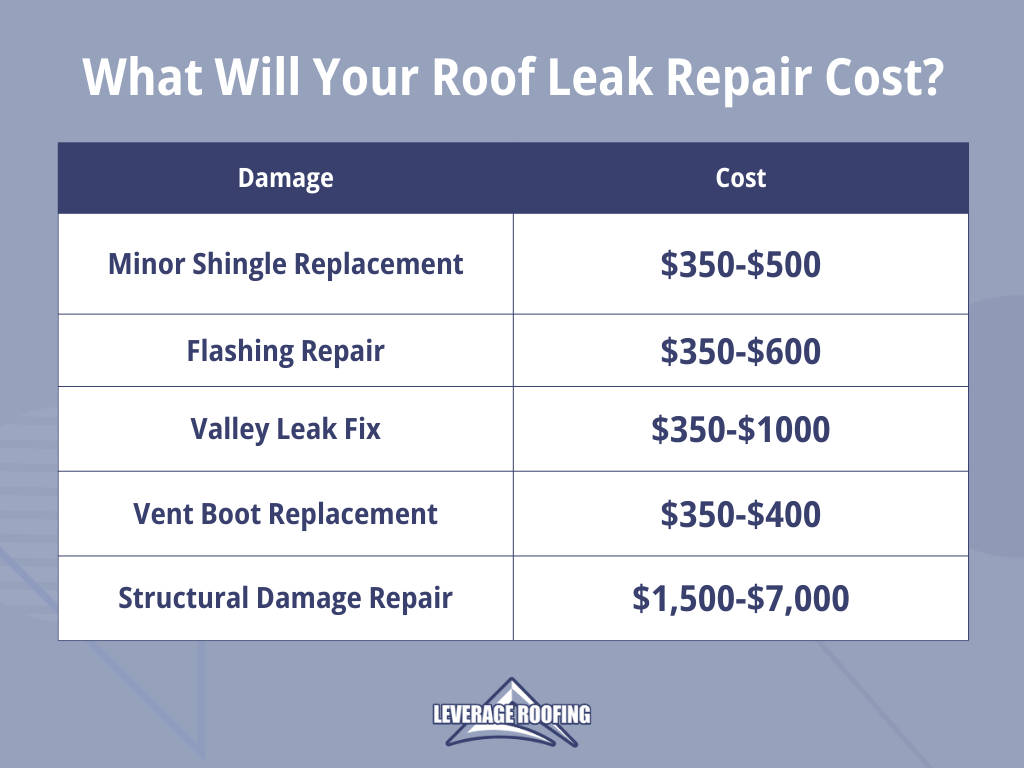
Typical cost: $350 to $500 for replacing a small section of shingles
This assumes the underlying roof structure remains sound. If water has already damaged the decking beneath, costs increase significantly.
Flashing Failures
Flashing seals the joints where your roof meets chimneys, vents, skylights, or walls. When flashing deteriorates or pulls away, water finds its way inside.
Typical cost: $350 to $600 per flashing area
Proper flashing repair requires removing surrounding materials, installing new flashing correctly, and resealing everything waterproof.
Valley Leaks
Roof valleys channel water off your roof. Heavy debris, damaged shingles, or poor installation in valleys leads to leaks during rain.
Typical cost: $350 to $1,000 depending on valley length and damage extent
Valley repairs often require removing multiple courses of shingles on both sides of the valley line.
Vent Boot Deterioration
Plumbing vents, exhaust fans, and other roof penetrations use rubber or plastic boots to seal around pipes. These boots crack and deteriorate over time, especially in hot, sunny climates.
Typical cost: $350 to $400 per vent
Simple boot replacements are among the quickest and most affordable roof repairs.
Structural Damage from Prolonged Leaks
When a minor leak goes undetected, water slowly damages roof decking, rafters, and even ceiling joists. Mold growth often accompanies this water damage.
Typical cost: $1,500 to $7,000+ for structural repairs
These repairs involve removing damaged roofing material, replacing compromised wood, treating mold, and rebuilding affected sections before installing new roofing.
Emergency Roof Repairs vs. Scheduled Repairs
Emergency repairs cost more than scheduled work. When your roof starts leaking during a storm, you need immediate help to prevent further damage. Most roofing companies charge premium rates for after-hours or emergency calls.
Emergency repair costs: Expect 25% to 50% higher rates than standard repairs
When you need emergency repairs:
- Active leaking during or immediately after storms
- Significant water intrusion threatening interior damage
- Major structural damage from fallen trees or wind
- Safety hazards requiring immediate attention
When scheduled repairs work better:
- Minor leaks only appearing during heavy rain
- Water stains that aren’t currently active
- Small areas of damaged shingles noticed during routine inspection
- Issues identified during regular roof inspections
Scheduling repairs during off-peak seasons often saves money. Spring and fall typically offer better pricing than summer storm season or winter emergency calls.
Signs You Need Roof Leak Repair
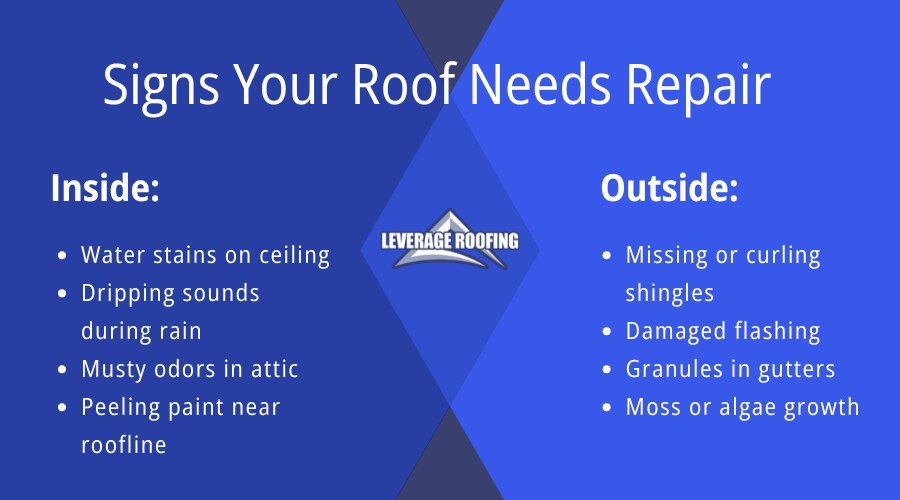
Catching leaks early prevents expensive repairs down the road. Watch for these warning signs:
Interior Warning Signs
- Water stains on ceilings or walls
- Dripping sounds during rain
- Musty odors in attic spaces
- Visible mold growth on walls or ceilings
- Peeling paint near the roofline
- Sagging ceiling sections
Exterior Warning Signs
- Missing, cracked, or curling shingles
- Damaged or loose flashing around chimneys and vents
- Granules collecting in gutters (from asphalt shingle deterioration)
- Visible daylight through roof boards from inside the attic
- Moss or algae growth indicating trapped moisture
- Damaged or clogged gutters causing water backup
Regular inspections help spot minor issues before they become costly repairs. Most roofing contractors recommend professional inspections every 2-3 years, or after major storms.
DIY Repairs vs. Professional Help
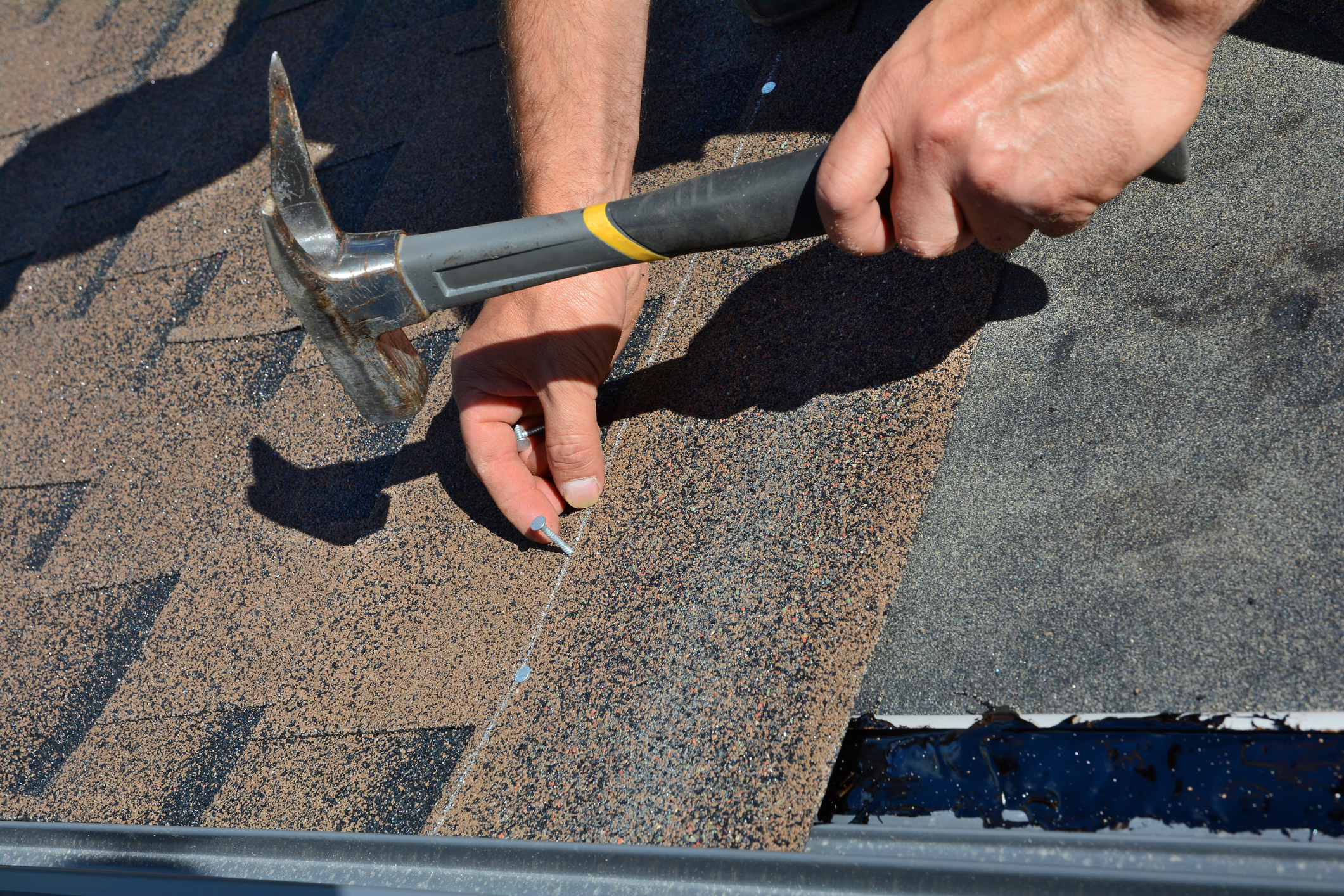
Some homeowners attempt DIY roof repairs to save money. While small fixes like replacing a single shingle might seem manageable, roof work carries significant risks.
Why professional repairs make sense:
Safety concerns are real. Falls from roofs cause serious injuries every year. Professional roofers have proper equipment, training, and insurance protection.
Proper diagnosis matters. What looks like a simple leak might indicate larger problems. A roofing contractor can identify underlying issues you might miss.
Warranty protection depends on proper installation. DIY repairs often void manufacturer warranties on roofing materials. Professional work comes with workmanship guarantees.
When to call a professional immediately:
- Any leak requiring work more than 10 feet off the ground
- Damage involving structural components
- Multiple leak points or extensive water damage
- Repairs near roof valleys, chimneys, or complex areas
- When you’re unsure about the leak’s cause or extent
Insurance Claims for Roof Leak Repairs
Many homeowners wonder if insurance covers leak repairs. The answer depends on what caused the leak.
Typically covered by insurance:
- Storm damage from high winds or hail
- Fallen trees or branches damaging your roof
- Sudden, accidental damage from external sources
- Water damage from covered roof failures
Usually not covered:
- Wear and tear from lack of regular maintenance
- Gradual deterioration from age
- Damage from neglected minor issues
- Pre-existing conditions discovered during repairs
Working with a roofing company experienced in insurance claims helps maximize your coverage. Proper documentation, detailed estimates, and clear communication with your insurer all improve claim outcomes.
Preventing Future Roof Leaks
Prevention costs less than repairs. Regular maintenance extends your roof’s life and catches small problems before they worsen.
Maintenance that prevents leaks:
- Schedule regular inspections every 2-3 years and after major storms. Professional roofers spot minor issues early.
- Keep gutters clean and flowing properly. Clogged gutters cause water to back up under roof edges.
- Trim overhanging tree branches. Rubbing branches damage shingles and drop debris that traps moisture.
- Address minor issues promptly. A small crack today becomes water damage tomorrow.
- Check attic ventilation. Proper airflow prevents moisture buildup that shortens roof life.
When Repairs Aren’t Enough
Sometimes a leaky roof signals it’s time for complete roof replacement rather than ongoing repairs. Consider replacement when:
- Your roof is near or past its expected lifespan (20-25 years for asphalt shingles)
- You’re making frequent repairs to different areas
- Significant damage affects large roof sections
- Energy bills increase from poor insulation due to water damage
- Multiple leaks appear across the roof surface
A full roof replacement costs more upfront but eliminates ongoing repair expenses. Learn more about roof replacement costs to understand your options.
Get Reliable Leak Repair in Murrells Inlet
Leverage Roofing has served coastal South Carolina homeowners for over 30 years. We understand how quickly roof leaks can escalate in our humid climate and stormy weather. Our team provides honest assessments, fair pricing, and quality repairs that last.
Ready to fix your leaking roof? Schedule a free roof inspection with our experienced team. We’ll identify all leak sources, explain your repair options, and provide a detailed estimate. Contact us today to protect your home from water damage.