How long should a roof last? It’s one of the most common questions homeowners ask, and the answer depends on several factors. From the roofing material covering your home to the weather conditions in your area, your roof’s lifespan can vary significantly.
For homeowners along the South Carolina coast, understanding your roof’s expected lifespan helps you plan for maintenance, budget for eventual roof replacement, and protect your investment. Let’s explore the typical lifespan for different roofing materials and what affects how long your current roof will serve you.
Understanding Roof Lifespan by Material
Different roofing materials offer vastly different lifespans. Your choice of material at installation directly impacts how many years of protection you’ll receive before needing a new roof.
Asphalt Shingles: 15 to 30 Years
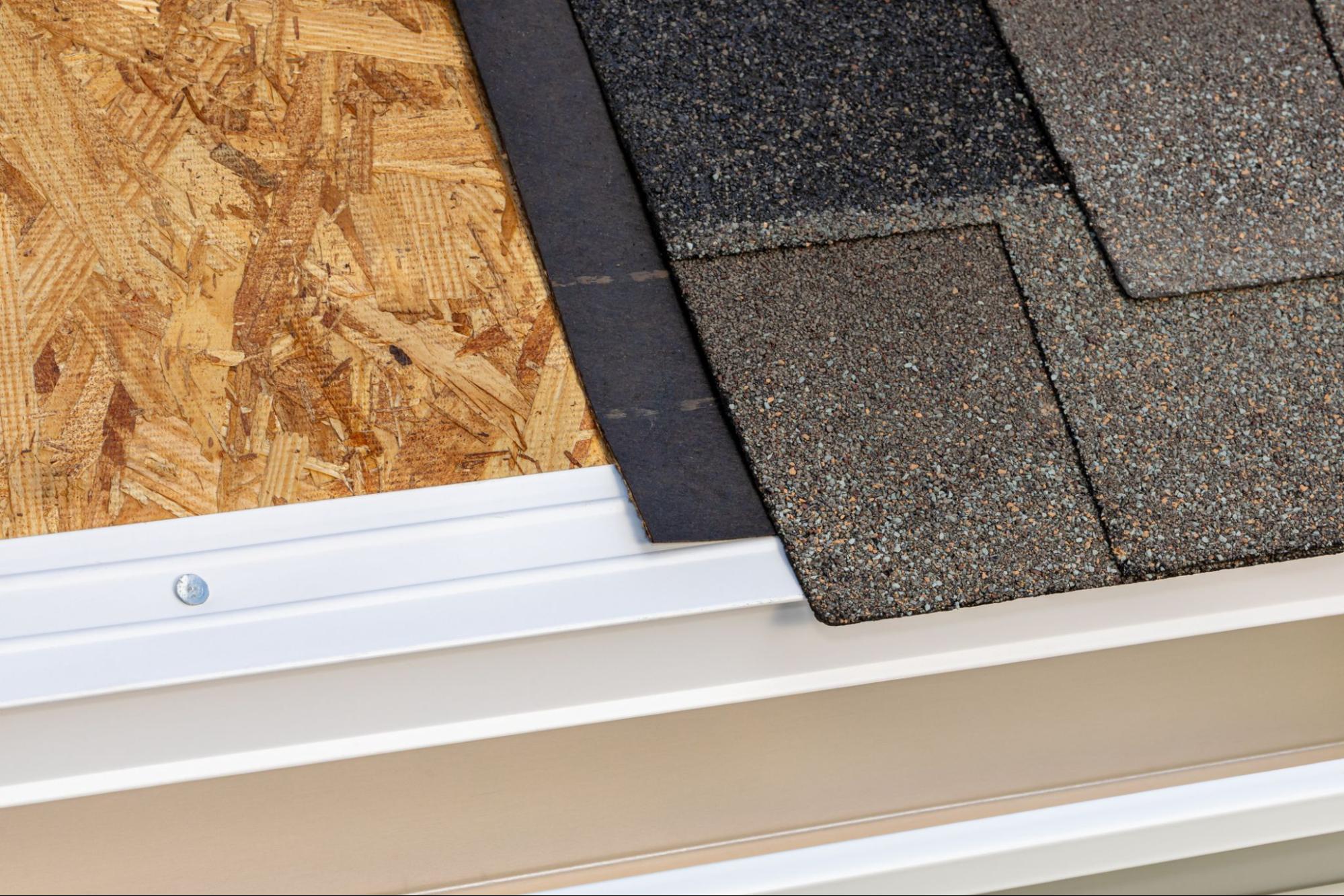
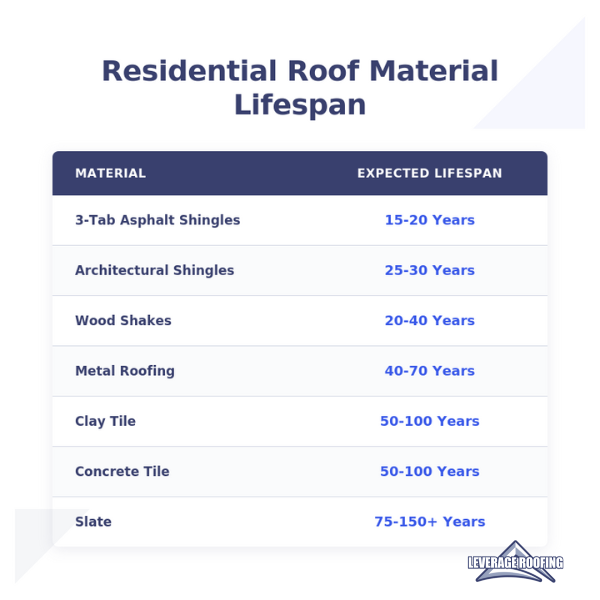
Asphalt shingles remain the most popular roofing choice across the United States, covering approximately 80% of residential roofs. A standard asphalt shingle roof typically lasts 15 to 20 years, while architectural shingles can extend that range to 25 to 30 years with proper care.
The coastal South Carolina climate presents unique challenges for asphalt shingles. Salt air, humidity, high winds, and intense sun exposure can accelerate wear. Regular maintenance and annual inspections help maximize your shingle roof’s lifespan.
Metal Roofing: 40 to 70 Years
A metal roof offers one of the longest lifespans available for residential roofs. With proper installation and minimal maintenance, metal roofing can protect your home for 40 to 70 years. Some premium metal roof systems last even longer.
Metal roofing also provides excellent energy efficiency, reflecting heat away from your home and potentially lowering cooling costs. The low maintenance requirements and resistance to storm damage make metal an attractive option for coastal homeowners.
Tile Roofs: 50 to 100+ Years
Clay tile and concrete tiles rank among the longest-lasting roofing materials available. A properly installed tile roof can protect your home for 50 to 100 years or more. These materials resist rot, insects, and fire while adding distinctive curb appeal.
The weight of tile roofs requires adequate structural support, so not every home can accommodate them. However, for those that can, tile offers exceptional longevity and low maintenance over its lifespan.
Other Roofing Materials
- Slate roofs: 75 to 150+ years, making them one of the longest-lasting options available
- Wood shakes: 20 to 40 years, though they require more maintenance in humid climates
- Flat roofs on commercial buildings: 15 to 30 years, depending on the membrane system used
Factors That Affect Your Roof’s Lifespan
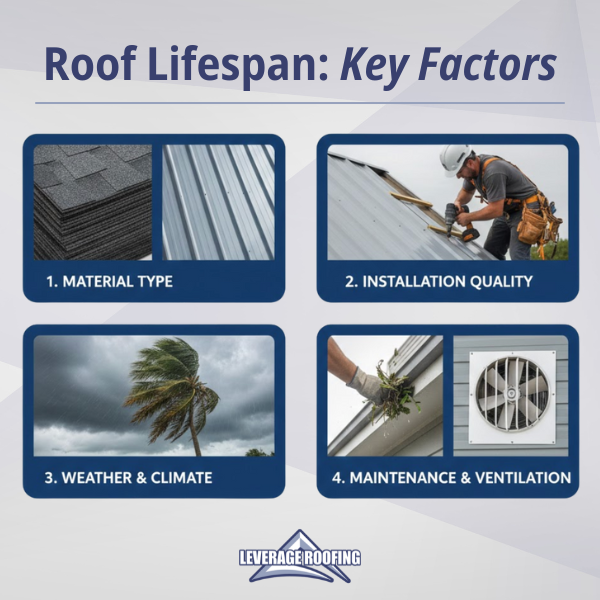
While roofing material plays a major role, several other factors determine how long your roof will actually last.
Installation Quality
Proper installation matters as much as the roofing material itself. A poor installation can cut your roof’s lifespan in half, while quality workmanship from an experienced roofing contractor helps ensure you get the full lifespan from your investment. The roof deck must be properly prepared, underlayment correctly applied, and all materials installed according to manufacturer specifications.
Weather Conditions
Coastal South Carolina exposes roofs to harsh weather conditions that can shorten lifespan. High winds during storms can loosen or remove shingles. Salt air accelerates corrosion on certain materials. Intense summer sun breaks down roofing materials over time.
Storm damage from hurricanes and tropical storms poses a particular threat. A single severe weather event can cause damage that, if left unaddressed, leads to water damage and further deterioration. Having a roof inspection after major storms helps identify problems early.
Proper Attic Ventilation
Proper attic ventilation plays a surprisingly important role in roof longevity. Without adequate airflow, heat and moisture build up beneath your roof, causing premature aging of roofing materials from the inside out. In colder climates, poor ventilation contributes to ice dams that damage shingles and cause leaks.
Regular Maintenance
Proper maintenance extends the life of any roof. Regular maintenance includes keeping gutters clear, trimming overhanging branches, removing debris, and addressing small issues before they become major problems. An older roof especially benefits from consistent attention and care.
Signs Your Roof May Need Attention
Knowing when your roof needs repair or replacement helps you act before small problems cause serious damage. Watch for these warning signs:
- Missing shingles or tiles after storms
- Curling, cracking, or buckling shingles on an asphalt shingle roof
- Granules collecting in gutters (indicates shingle deterioration)
- Water stains on ceilings or walls suggesting leaks
- Daylight visible through the roof deck from your attic
- Sagging areas indicating structural concerns
- Moss or algae growth causing material breakdown
A professional roof inspection can identify problems that aren’t visible from the ground. Many roofing companies offer free inspections to help homeowners understand their roof’s condition.
Roof Repair vs. Roof Replacement: Making the Right Choice
Not every roofing issue requires full replacement. Minor roof repair can extend your roof’s life when damage is isolated. A missing shingle here or there, a small leak around flashing, or minor storm damage often responds well to targeted repairs.
However, replacement makes more sense when repairs would cost more than 30% of a new roof, when damage is widespread, or when your roof has reached the end of its expected lifespan. An older roof nearing the end of its service life may not justify continued investment in repairs.
Your insurance company may cover replacement costs when storm damage causes significant harm. Working with a contractor experienced in insurance claims helps ensure you receive fair compensation for covered damage.
Maximizing Your Roof’s Lifespan
Getting the most years from your roof requires attention throughout its service life. Consider these practices:
Schedule annual inspections: Professional eyes catch problems homeowners miss. An annual inspection costs little compared to the damage that undetected issues can cause.
Address repairs promptly: Small problems become big ones when ignored. A minor leak left untreated can lead to extensive water damage in your attic, walls, and ceilings.
Keep gutters clean: Clogged gutters cause water to back up under roofing materials, accelerating deterioration and potentially causing leaks.
Trim nearby trees: Overhanging branches scratch roofing surfaces and drop debris that retains moisture. Falling limbs during storms can cause significant damage.
Ensure proper ventilation: Work with a professional to verify your attic ventilation meets current industry standards.
Online calculators provide rough guidance, but every roof has unique characteristics. The only way to know your actual flat roof replacement cost is through an on-site assessment from a qualified roofing contractor.
Partner with a Trusted Local Roofing Company
Understanding how long your roof should last helps you make informed decisions about maintenance, repair, and eventual replacement. But nothing replaces the expertise of a qualified roofing contractor who can assess your specific situation.
At Leverage Roofing, we bring over 30 years of experience to every project. As a family owned company based in Murrells Inlet, South Carolina, we understand the unique challenges coastal weather presents for local homeowners. Our team provides free inspections, honest assessments, and quality workmanship on every residential roof we touch.
Whether you’re wondering about your current roof’s remaining life, dealing with storm damage, or planning a new roof installation, we’re here to help. We work directly with your insurance company when needed and offer financing options to make quality roofing accessible.
Schedule your free inspection today and let our team help you understand exactly where your roof stands and what it needs to protect your home for years to come.