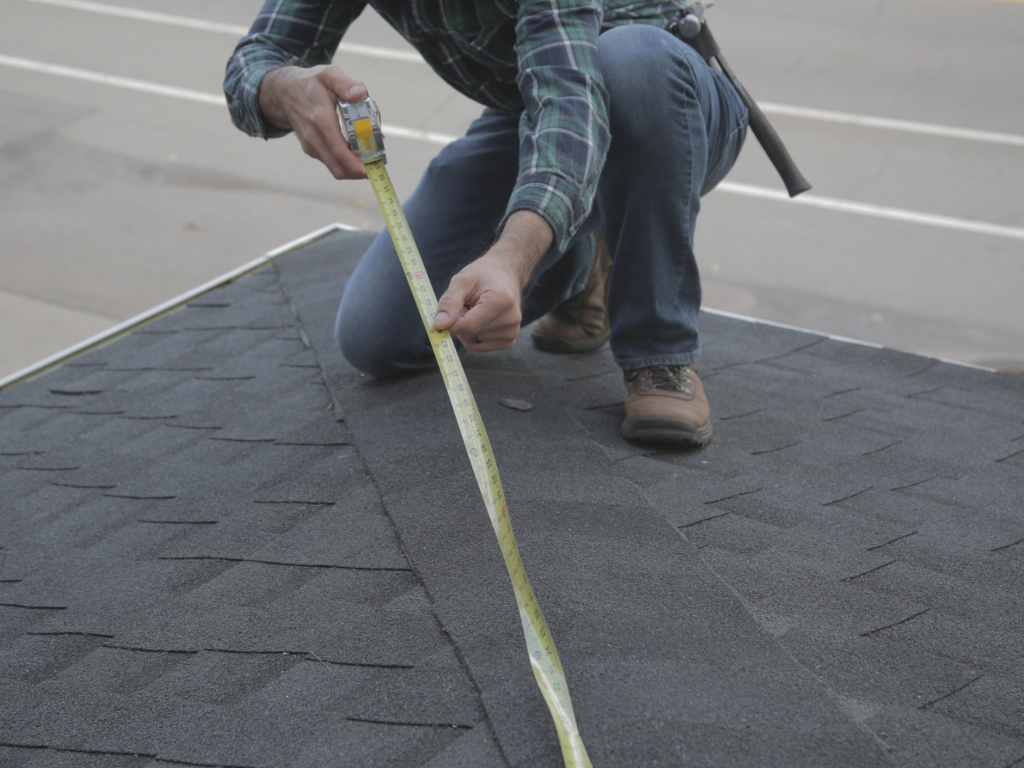
The Short Answer: Roofing professionals measure pitch on a roof by calculating the vertical rise over a 12-inch horizontal run. They use specialized tools like pitch gauges, speed squares, and measuring tapes to determine the exact slope, which is then expressed as a ratio such as 6/12 or 8/12.
Your roof’s pitch affects everything from the materials a contractor can install to how well your home handles water drainage and heavy snowfall. Whether you’re planning a new roof, filing an insurance claim, or just curious about what happens during an inspection, understanding how professionals take roof measurements helps you feel more confident about the process. Here’s how the pros do it and why it matters for your home.
What Is Roof Pitch and Why It Matters
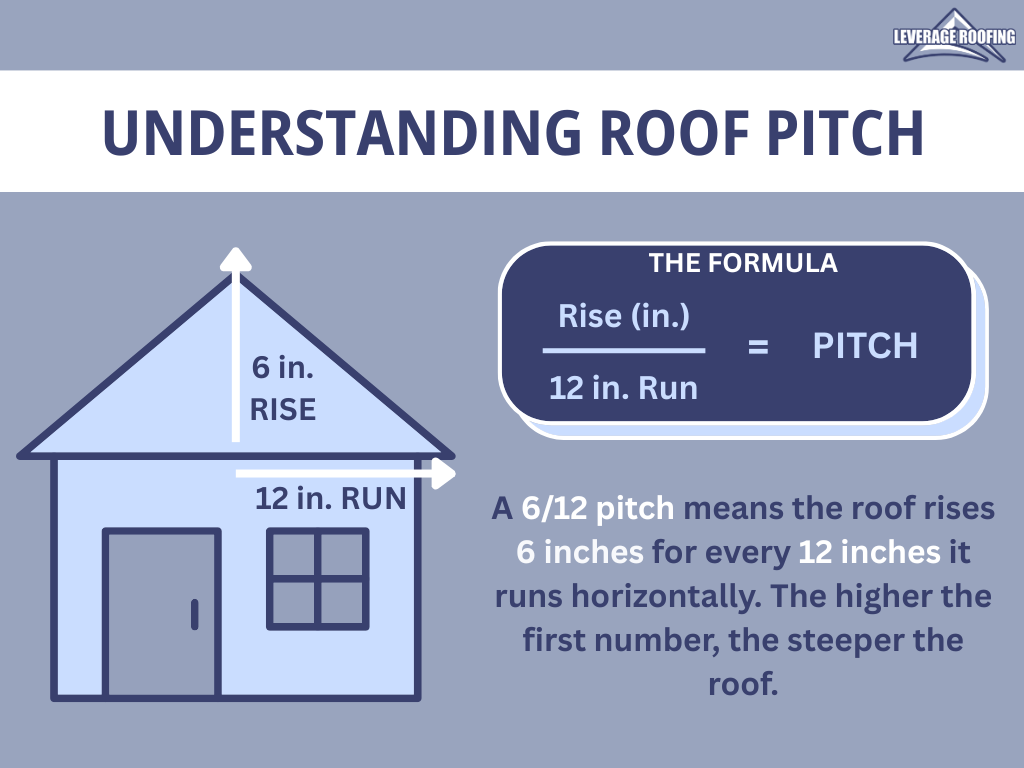
Roof pitch describes the steepness or angle of your roof. It is written as a ratio of two numbers. The first number represents the vertical rise (how many inches the roof goes up), and the second number represents the horizontal distance (always measured over 12 inches of horizontal run). A roof with a 6/12 pitch rises 6 inches for every 12 inches it runs horizontally.
Pitch is not just a number on a blueprint. It determines several practical things about your home:
- Material selection: Different roofing materials require a minimum roof pitch to perform properly. Asphalt shingles, for example, generally need at least a 2/12 pitch, while a flat roof or low-slope roof uses different membrane systems altogether.
- Water drainage: A steeper pitch moves rainwater off the roof deck faster, reducing the risk of water damage. Homes in areas with heavy rainfall or heavy snowfall benefit from steeper roofs.
- Square footage calculations: Roof area is larger than the footprint of your home because of the slope. Accurate pitch measurement helps contractors calculate true square footage for material ordering and project estimates.
- Energy efficiency: The roof pitch angle influences attic ventilation and heat exposure, which affects your home’s cooling and heating costs.
- Architectural style: Pitch contributes to curb appeal. A steep roof creates a dramatic look, while a lower slope gives a more modern, horizontal appearance.
How Professionals Measure Pitch on a Roof
There are different ways roofing professionals measure pitch, depending on whether they are working on a new construction project, inspecting an existing roof, or calculating measurements from the ground. Here are the most common methods used in the roofing industry.
Method 1: Measuring From the Roof Surface
This is the most direct approach. A roofer places a level horizontally on the roof surface and measures out to the 12-inch mark. Then they measure the vertical distance from the end of the level straight down to the roof surface. That vertical measurement is the rise. If the level reads 5 inches of rise at the 12-inch mark, the pitch is 5/12.
Professionals often use a speed square or pitch gauge for this method. A pitch gauge is a small tool that sits directly on the roof slope and reads the pitch instantly using a built-in axis indicator. It removes the need for manual calculations on the spot.
Method 2: Measuring From the Attic
When roof access is difficult or unsafe, professionals can measure pitch from inside the attic. They hold a level against a rafter and measure 12 inches along the level from the rafter. Then they measure straight up from that point to the underside of the rafter. This gives the same rise-over-run ratio without stepping onto the roof.
This method also allows contractors to inspect rafter length and the condition of the roof deck at the same time.
Method 3: Measuring From the Ground
In some cases, a professional can estimate pitch from the ground by measuring the gable end of the home. Using a measuring tape, they measure the horizontal run from the edge of the roof to the center point beneath the peak. Then they measure the vertical rise from the eave line to the peak. Dividing the rise by the run (and converting to a 12-inch base) gives the pitch.
This approach works well for simple gable roofs but is less accurate on complex roof shapes with multiple slopes.
Method 4: Using a Roof Pitch Calculator
Digital tools have become common in the roofing industry. A roof pitch calculator allows professionals to input measurements and get instant results. Some apps use your phone’s built-in level to read the roof pitch angle directly. Others use the Pythagorean theorem to calculate rafter length, roof slope, and total roof area from basic measurements.
A pitch calculator or pitch finder is especially useful for solar installer assessments, new construction planning, and large commercial roofing projects where precision matters across a big surface area.
Pro Tip: Getting the Most Accurate Pitch Reading
Experienced contractors often take measurements at multiple points across the roof. Settling, structural shifts, or previous repairs can cause slight variations in slope. Taking readings in several spots and averaging them gives the most accurate pitch for the full roof area.
Common Roof Pitch Ranges and What They Mean
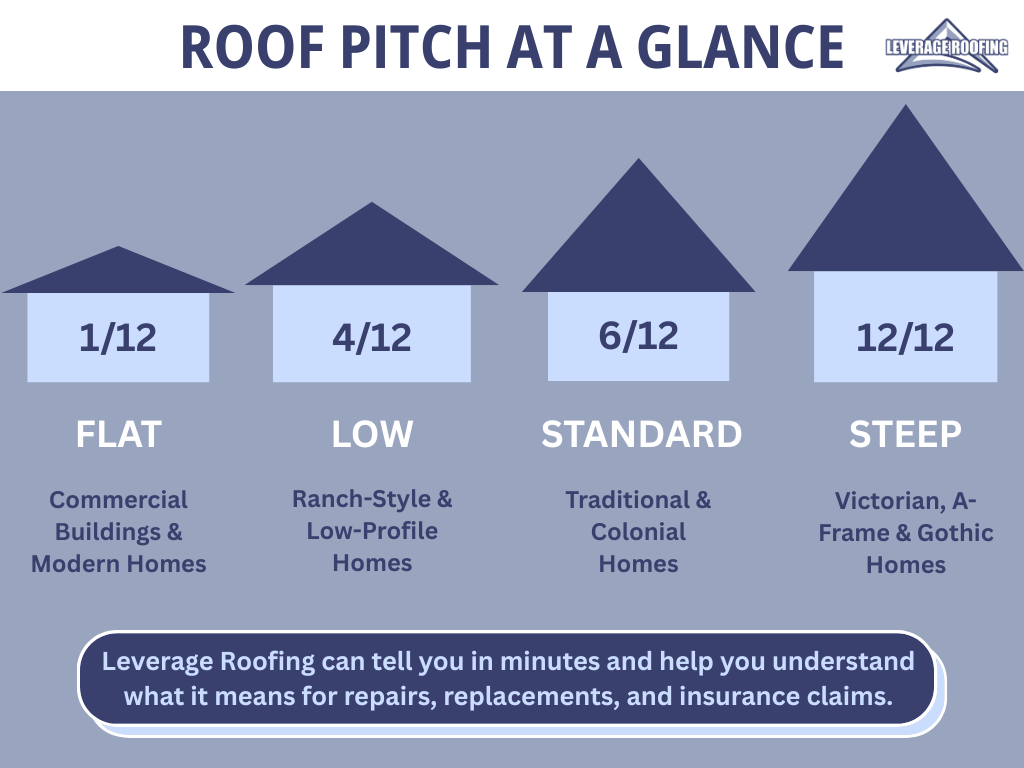
Here’s a quick reference for the most common ranges you’ll hear professionals discuss in the United States:
- Flat to low slope (0/12 to 2/12): These are considered flat roofs, though they still have a slight slope for proper drainage. They require specialized membrane roofing systems. The minimum pitch for most standard shingle products falls in this range.
- Low pitch (3/12 to 4/12): Common on ranch-style homes and some commercial buildings. Asphalt shingles can work at these pitches with proper underlayment.
- Standard pitch (5/12 to 9/12): The most common range for residential homes across the United States. This range works well with asphalt shingles, metal roofing, and most other materials. It provides good water drainage without making installation overly difficult.
- Steep pitch (10/12 and above): Found on Victorian-style homes, A-frames, and some coastal properties. A steeper pitch sheds water and snow quickly but increases material needs and labor costs. Steeper roofs also require additional safety equipment during installation and repairs.
How Roof Pitch Affects Your Roofing Project
When a contractor measures your roof’s pitch, that number influences almost every part of the project. Here’s what changes based on pitch measurement results.
Material Requirements
A steeper pitch means more surface area to cover, which means more materials. Your contractor uses the pitch to convert the flat footprint of your home into actual roof area. This calculation directly affects how many bundles of asphalt shingles, sheets of metal, or rolls of membrane the job requires.
Pitch also determines which materials are even an option. Some products have a minimum roof pitch requirement set by the manufacturer. Installing materials below their rated pitch can void warranties and lead to leaks.
Labor and Safety
Steeper roofs take longer to work on and require harnesses, toe boards, and other fall protection. This increases labor time and project cost. A roof with a standard pitch is faster and safer to install, which is reflected in the estimate.
Long-Term Performance
Proper drainage depends on pitch. A roof slope that’s too low for the installed material can trap water, leading to leaks and water damage over time. Conversely, a steep roof handles rain and debris well but may be more exposed to wind uplift during storms. Your contractor factors pitch into recommendations for underlayment, flashing, and ventilation to protect your home long-term.
Insurance and Inspections
Insurance adjusters use pitch measurements when assessing storm damage claims. Accurate roof measurements help support your claim documentation. A roofing contractor who understands the process can assist with proper documentation and photos that reflect the true scope of the work needed.
Leverage Roofing: Your Partner in Accurate Roof Measurements
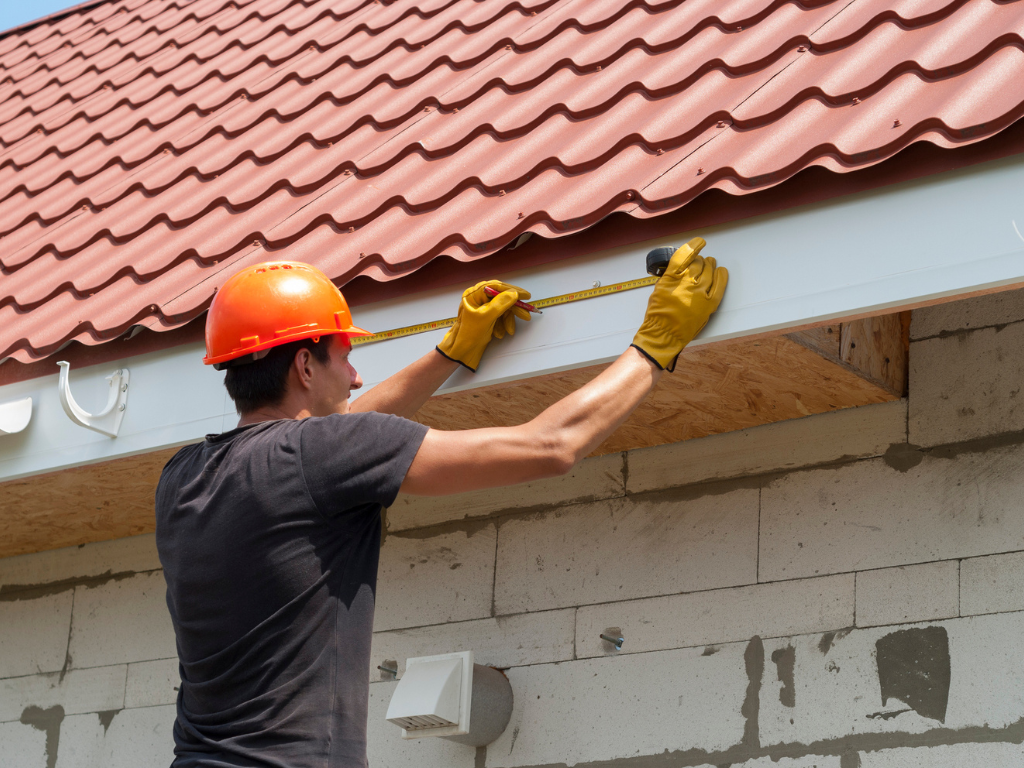
Measuring roof pitch is one of the first steps in any roofing project, and getting it right sets the foundation for everything that follows. Whether you need a full roof replacement, storm damage assessment, or just want to understand your home’s roof better, working with an experienced team makes all the difference.
At Leverage Roofing, our crews bring over 30 years of construction experience to every inspection and project. As a family-owned company based in Murrells Inlet, South Carolina, we serve homeowners and property managers across the Grand Strand with honest assessments and quality workmanship. From measuring your roof’s pitch to handling insurance claims and installing a new roof, we manage the full process so you don’t have to.
We offer free inspections, transparent estimates, and financing options to make your roofing project straightforward from start to finish. Schedule your free inspection today and let our team put accurate measurements and professional expertise to work for your home.