Your roof does more than keep rain out. The roof style you choose affects your home’s curb appeal, energy efficiency, and how well it stands up to coastal South Carolina weather. From heavy rain and high winds to humid summers, the right design matters.
This guide breaks down the most common roof types to help you understand what works best for residential homes in our area. Each roof shape has specific advantages depending on your home’s architectural style, your budget, and local weather conditions.
Popular Roof Styles for South Carolina Homes
Gable Roof
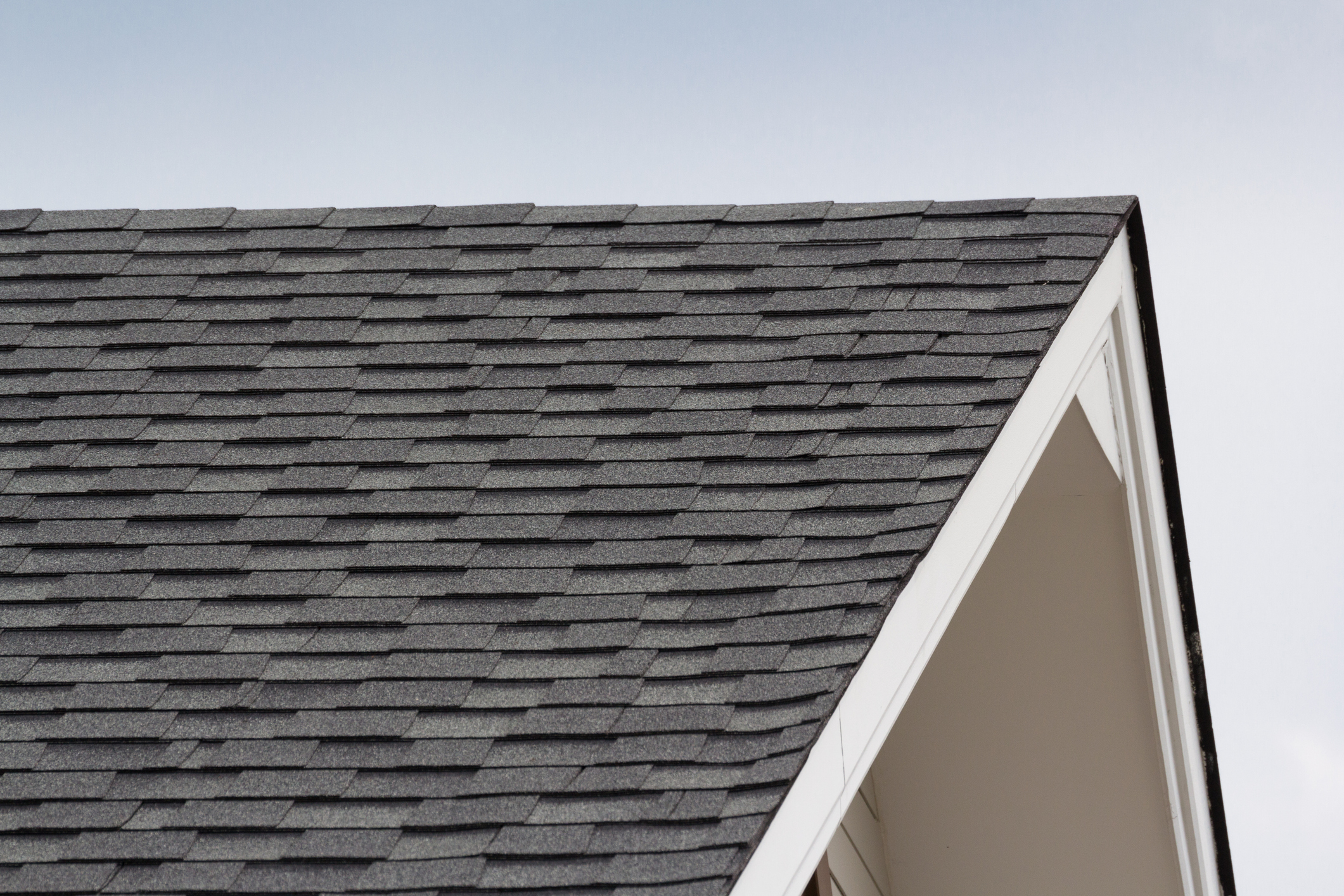
The gable roof is one of the most recognizable designs in residential roofing. You’ll know it by its triangular shape formed when two roof slopes meet at a ridge line.
Advantages:
- Excellent water drainage during heavy rain
- Simple construction keeps costs down
- Plenty of attic space for storage or ventilation
- Works well with asphalt shingles or metal roofing
- Easy to add dormer windows for natural light
Considerations: Gable roofs can be vulnerable to high winds if not properly braced. In coastal areas, reinforced trusses and proper installation make a difference.
Hip Roof
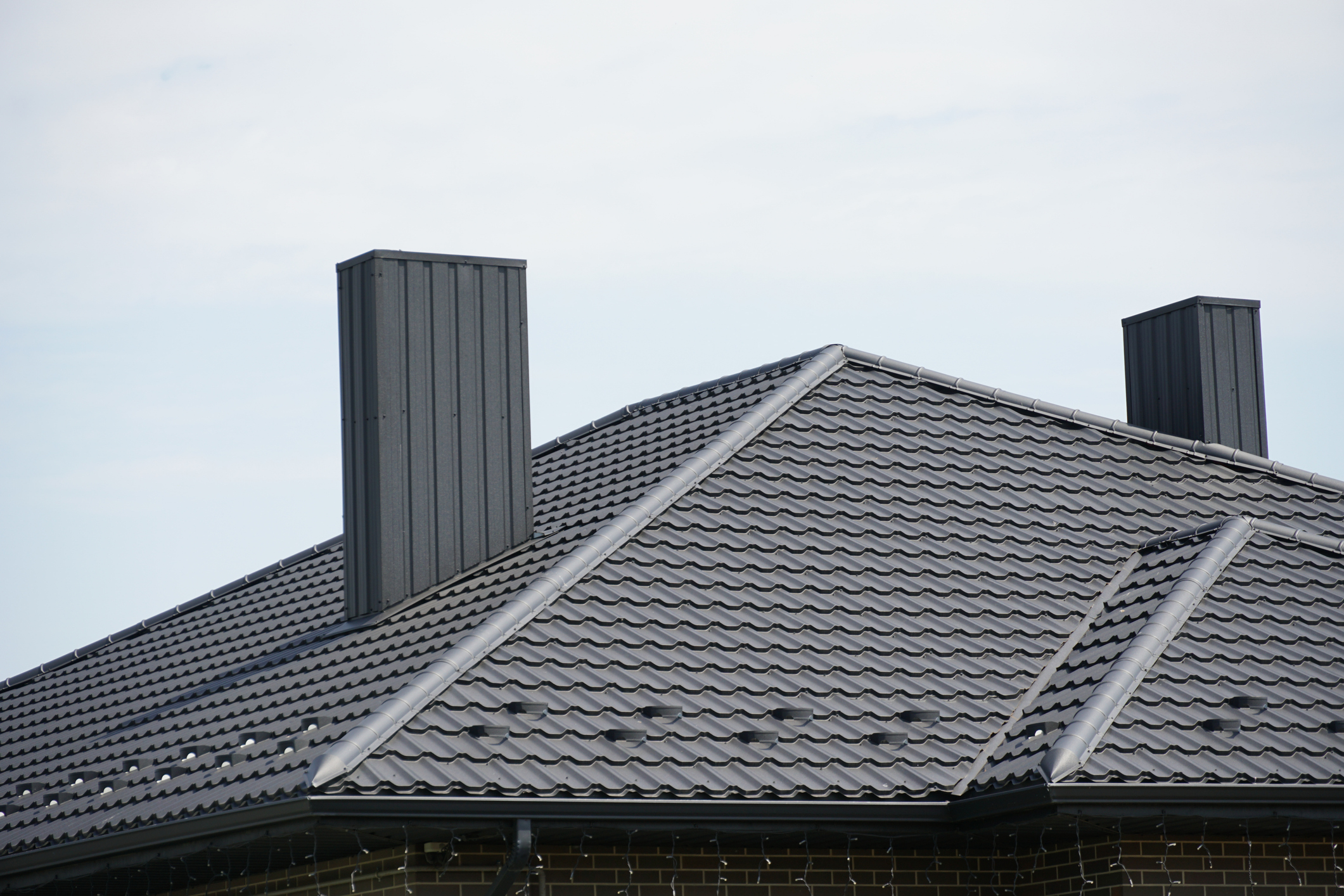
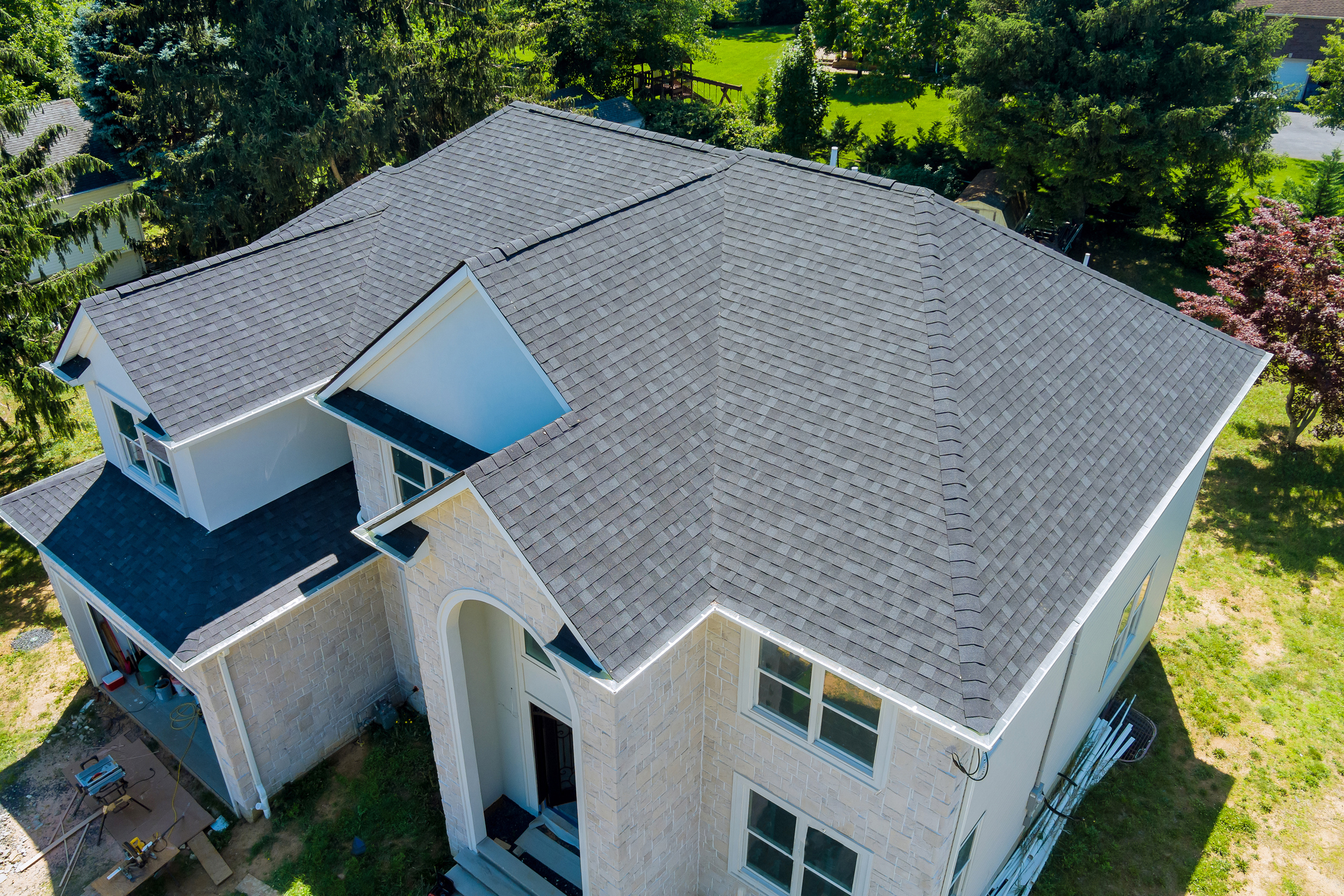
A hip roof (or hipped roof) slopes down on all four sides, creating a more aerodynamic profile than a gable design.
Advantages:
- Superior wind resistance for coastal properties
- Better performance in harsh weather conditions
- Self-bracing structure adds stability
- Modern aesthetic appeal
- Ideal for homes exposed to storms
Considerations: Hip roofs cost more to build due to their complex design and additional materials. They also provide less attic space than gable roofs.

Flat Roof
Despite the name, flat roofs have a slight pitch for drainage. You’ll see this roof type on many commercial buildings, but they’re becoming more popular for contemporary architecture in residential settings.
Advantages:
- Creates usable outdoor space
- Easier installation for solar panels
- Lower initial construction costs
- Access for regular maintenance
- Can accommodate green roof systems
Considerations: Flat roofs need more frequent inspections and proper maintenance to prevent water pooling. In areas with heavy rainfall, drainage systems are particularly important.
Traditional and Specialty Roof Designs
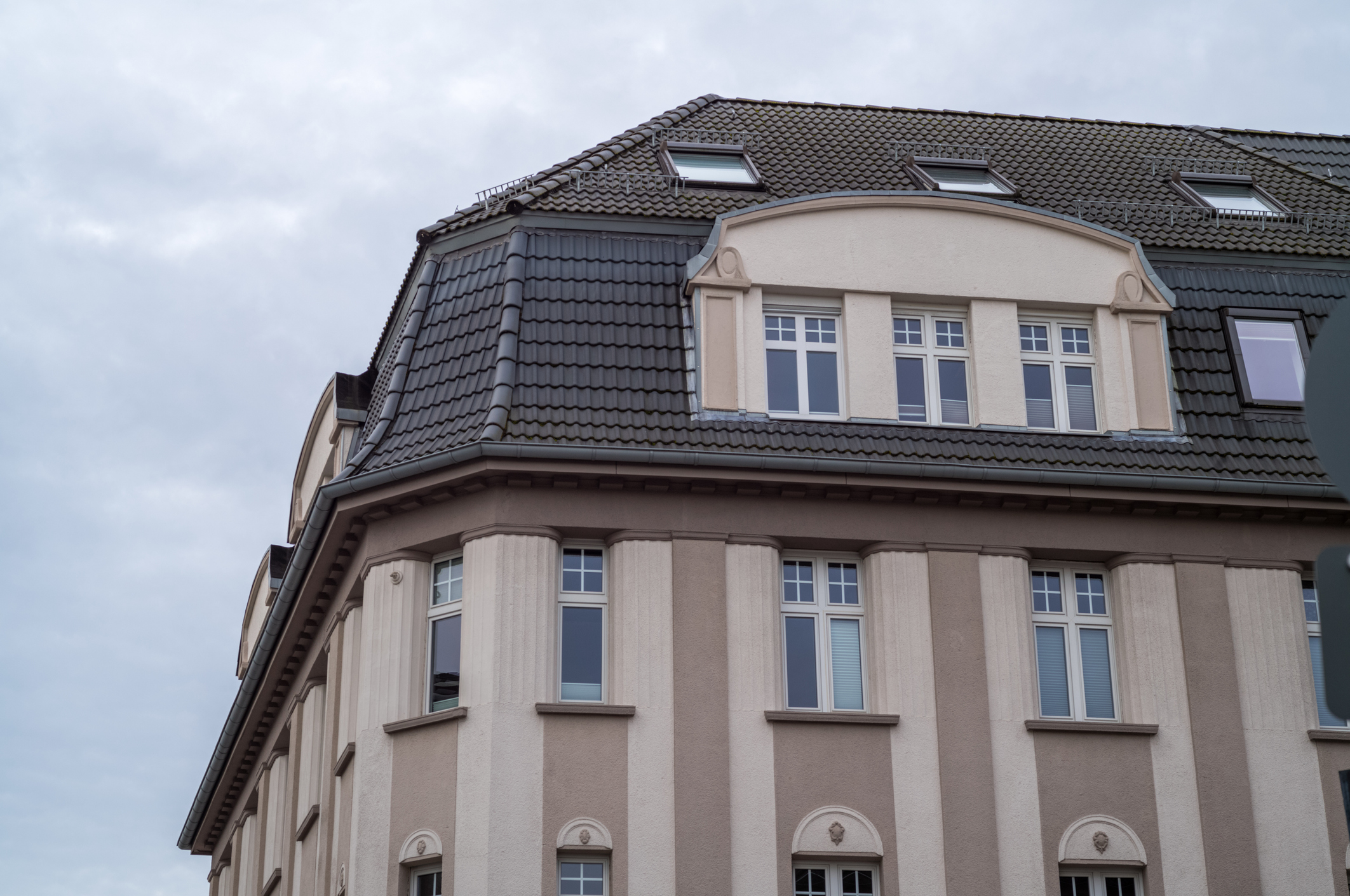
Mansard Roof
The mansard roof features two slopes on each side, with the lower slope being much steeper than the upper slope. This French-inspired design maximizes interior space.
Best for:
- Homes with a classic or historic architectural style
- Properties where you want extra living space
- Urban homes where vertical space is valuable
This roof style works well with both asphalt shingles and metal roofing materials.
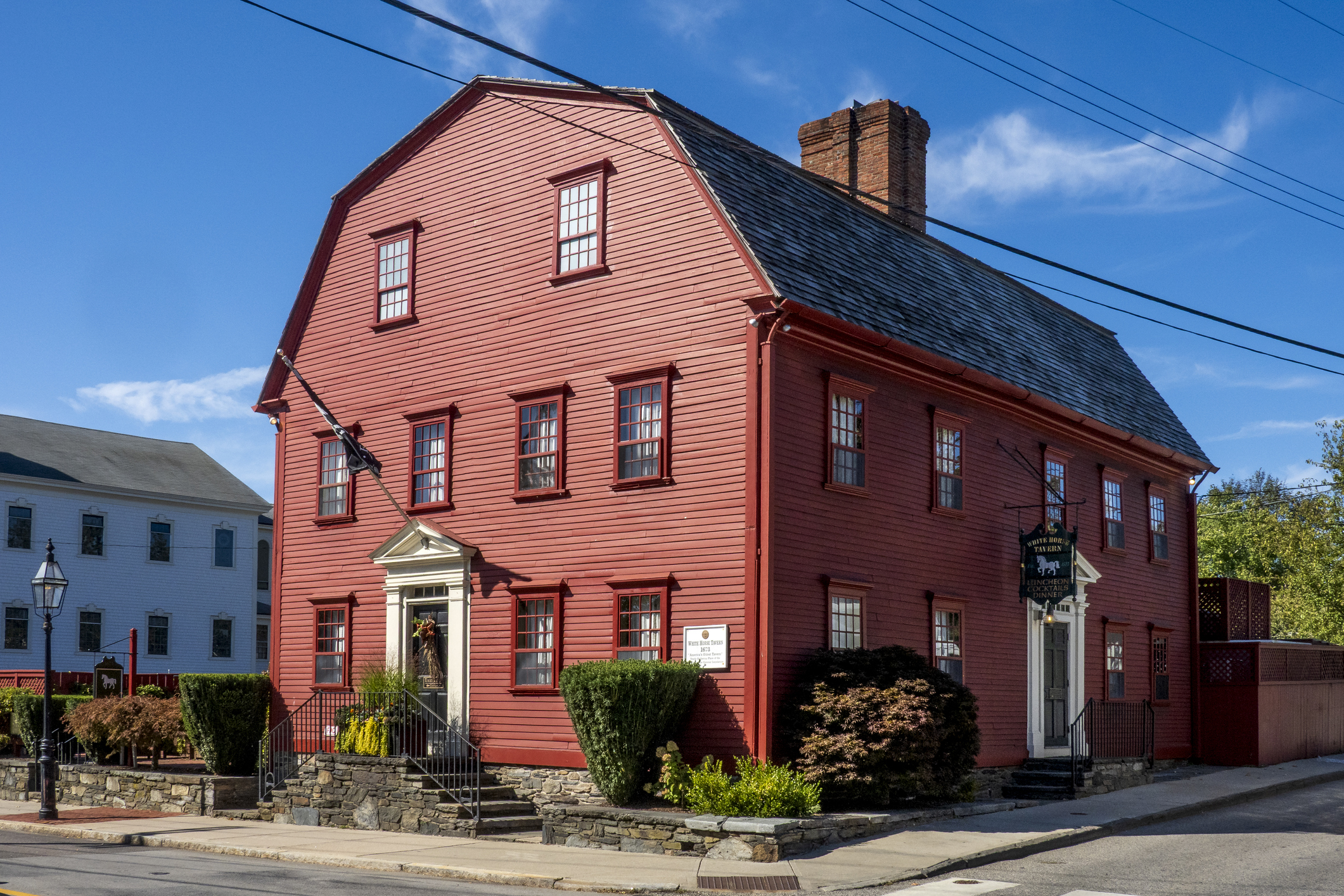
Gambrel Roof
You might recognize the gambrel roof from classic barn designs. This barn roof style features two different slopes on each side, similar to a mansard but only on two sides instead of four.
Best for:
- Colonial and Dutch Colonial homes
- Properties where you need maximum attic or upper-floor space
- Homes with a traditional or rustic aesthetic
The steep slope of the lower section provides excellent water runoff, while the flatter upper slope creates usable interior space.
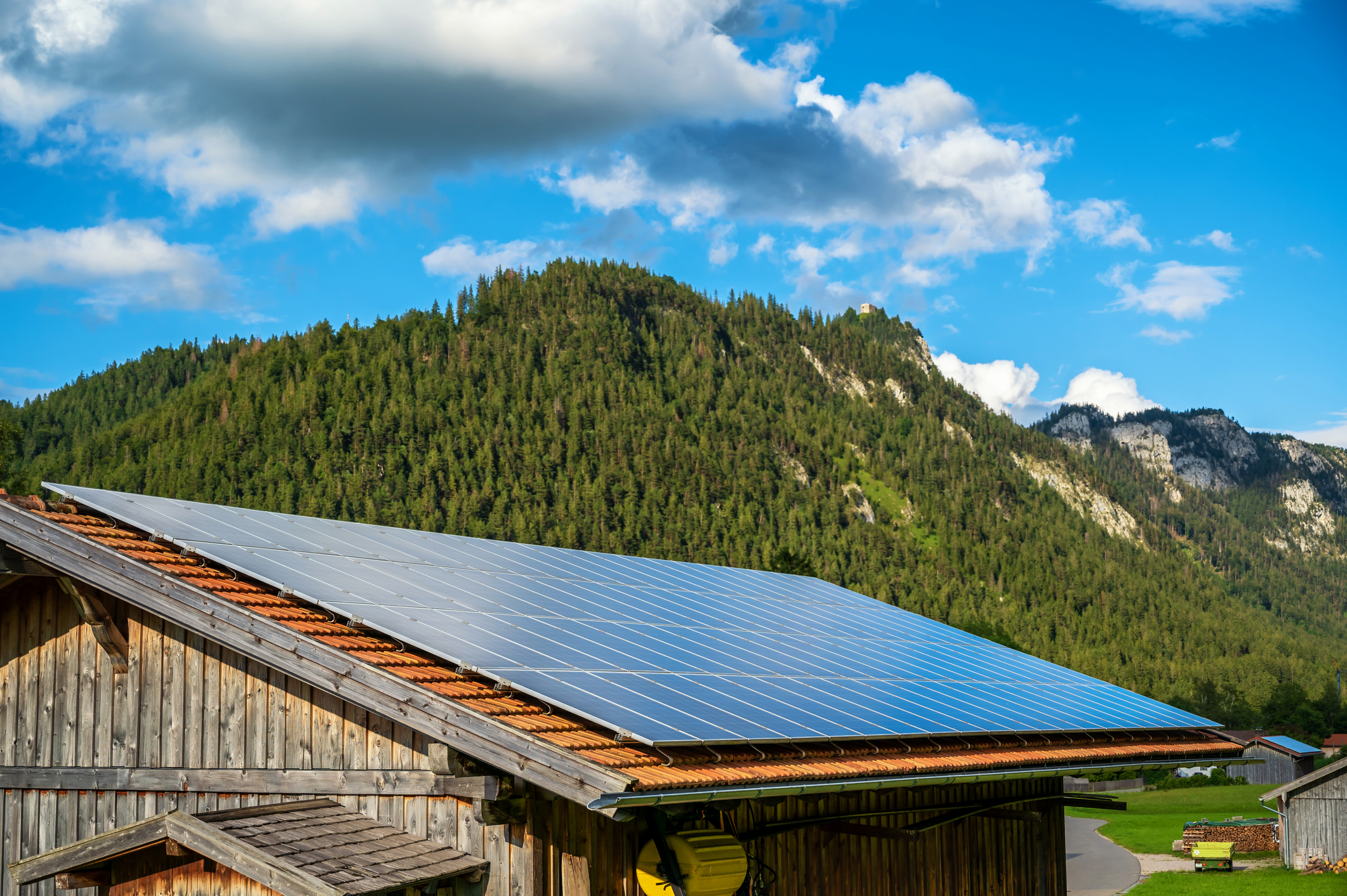
Shed Roof
A shed roof is the simplest design, featuring a single slope. Modern architects often use this roof type in contemporary builds or as additions to existing homes.
Advantages:
- Affordable and quick to install
- Perfect for additions, porches, or outbuildings
- Great for installing solar panels on the south-facing slope
- Creates dramatic interior ceiling lines
Considerations: The single slope means one side of your home gets more sun exposure, which can affect energy efficiency in hot climates.
Specialty Roof Types Worth Knowing
Dutch Gable Roof
A dutch gable roof (or dutch gable) combines a hip roof base with a small gable at the top. This hybrid design offers the best of both worlds.
Why choose it:
- Better wind resistance than a standard gable
- More attic ventilation and natural light than a pure hip roof
- Distinctive appearance adds character
- Good balance of form and function
Butterfly Roof
The butterfly roof is an inverted design where two roof sections angle upward from a central valley, resembling butterfly wings.
Best for:
- Modern and contemporary architecture
- Homes prioritizing natural light through high windows
- Properties in mild climates
- Homeowners wanting a unique aesthetic appeal
This roof shape requires expert installation and careful waterproofing at the center valley.
Saltbox Roof
The saltbox roof features two slopes of different lengths, creating an asymmetrical profile. One side has a longer slope that often extends down to cover a first-floor addition.
Common in:
- Colonial New England-style homes
- Historic neighborhoods
- Homes built on sloped lots
Bonnet Roof
A bonnet roof is similar to a hip roof but with slopes that angle outward at the eaves, creating a covered porch area around the home.
Advantages:
- Natural shading for walls and windows
- Covered outdoor space
- Traditional Southern charm
- Protection from sun and rain
Choosing the Right Roof for Coastal South Carolina
When selecting a roof style for your home, consider these factors specific to our area:
Weather Performance
Coastal South Carolina sees intense storms, high winds, and heavy rainfall. Hip roofs and properly reinforced gable roofs perform well in these conditions. Metal roofing on any of these designs adds another layer of wind resistance.
Understanding high wind requirements helps you choose a roof design that will protect your home during hurricanes and tropical storms common to our region.
Energy Efficiency
Lighter-colored roofing materials reflect heat, which helps in our hot summers. Roof styles with good attic ventilation (like standard gable roofs) also improve energy efficiency by allowing hot air to escape.
Maintenance Access
Some roof types require more frequent inspections than others. Flat roofs and butterfly roofs need regular maintenance to prevent water issues. Traditional pitched roofs like gable and hip designs typically need less attention between professional inspections.
Budget Considerations
Simple roof styles like gable and shed roofs cost less to build and repair. Complex designs like mansard, dutch gable, or conical roof shapes require more materials and specialized labor. Learn more about roof replacement costs.
Architectural Compatibility
Your new roof should match your home’s overall design. A Victorian home looks odd with a modern butterfly roof. A contemporary build might clash with a traditional gambrel roof. Consider what roof shape fits your home’s character.

Roofing Materials by Style
Different roof types work better with specific materials:
Asphalt shingles: Work on almost any pitched roof. Affordable, reliable, and available in many colors.
Metal roofing: Excellent choice for gable, hip, and shed roofs. Superior wind resistance and longevity make it ideal for coastal properties. Learn about metal roof types.
Clay tile: Best on low-pitch roofs in Mediterranean or Spanish-style homes. Heavy material requires strong structural support.
Flat roof membranes: TPO, EPDM, or modified bitumen for flat and low-slope commercial buildings or modern homes.
Making Your Decision
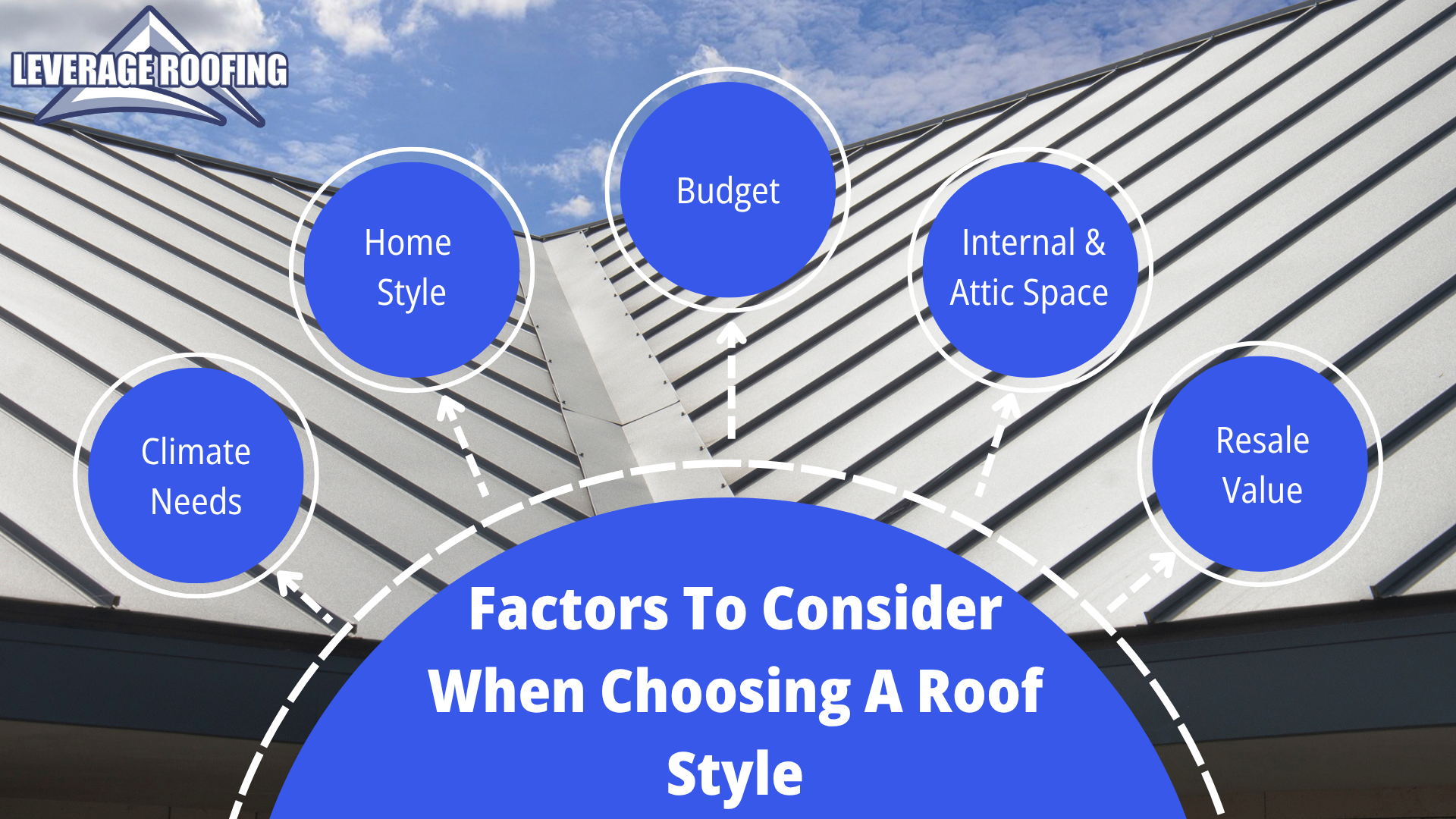
The perfect roof balances several factors:
- Climate needs: High winds and heavy rain require proven designs
- Home style: Your architectural style narrows your options
- Budget: Both installation and long-term maintenance costs matter
- Space requirements: Consider attic storage and living space
- Resale value: Some roof styles add more curb appeal than others
No single roof type works for every home. A qualified roofing contractor can assess your specific property and recommend the best options.
Work With Local Roofing Experts
Leverage Roofing has over 30 years of experience installing and repairing different roof types throughout Murrells Inlet and the Grand Strand. We understand how coastal weather affects every roof style, from traditional gable roofs to modern designs. Our team helps homeowners choose the right roof shape and roofing material for their needs, budget, and home design.
Ready to discuss your roofing project? Schedule a free inspection with our local team. We’ll assess your current roof, explain your options, and provide an honest estimate. Call Leverage Roofing today at (843) 492-2226 or visit us online to get started.